
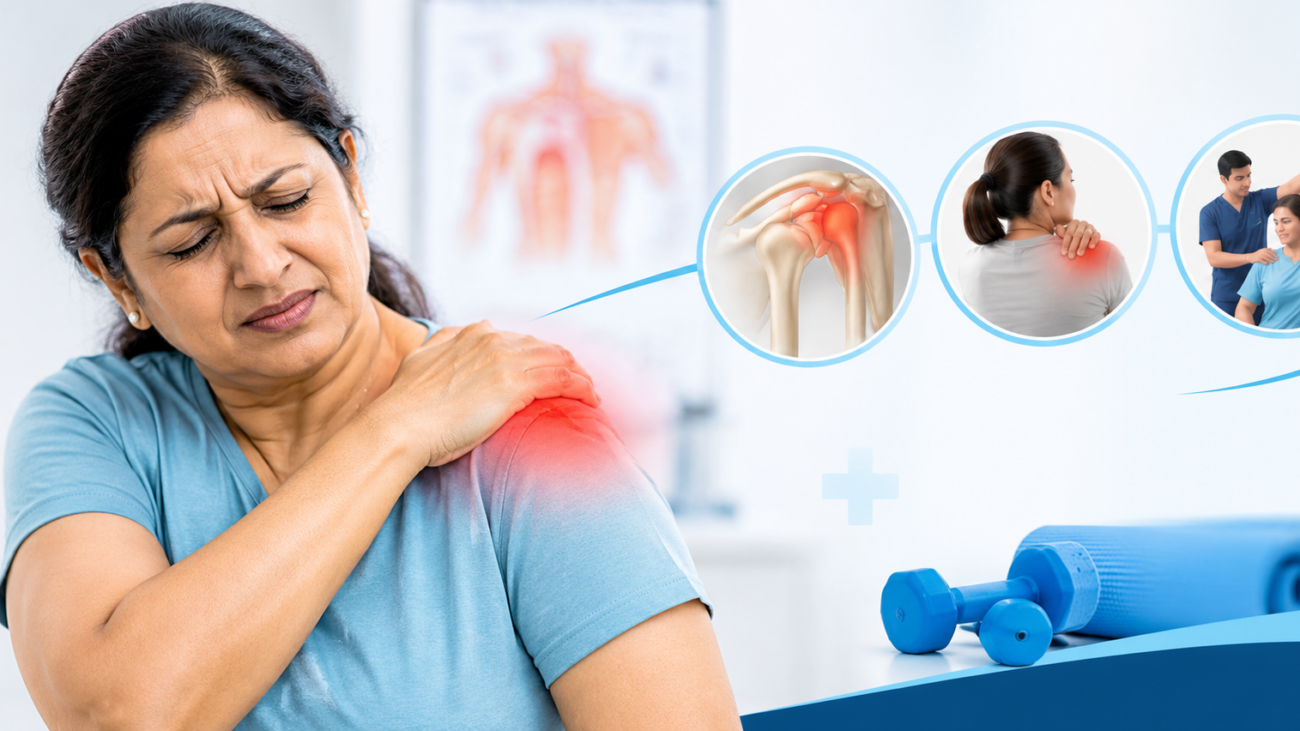
Frozen Shoulder: Causes, Symptoms and Treatment Options

Frozen Shoulder: Causes, Symptoms and Treatment Options

Shoulder pain and stiffness can make even simple daily activities difficult, from getting dressed to reaching for objects or lifting your arm. When shoulder movement becomes increasingly restricted and discomfort continues over time, it may be a sign of frozen shoulder. Also known as adhesive capsulitis, this condition develops when the connective tissue surrounding the shoulder joint becomes thickened and tight, limiting its normal movement. Understanding the causes, symptoms and available treatment options can help individuals seek timely medical attention and manage the condition effectively.

What Is Frozen Shoulder?

Frozen shoulder is a shoulder-related disorder that causes discomfort, joint tightness and difficulty moving the arm freely. It occurs when the capsule of connective tissue surrounding the joint becomes inflamed, thick and tight. As the capsule loses its flexibility, the shoulder gradually becomes difficult to move.

The condition usually develops slowly and may affect one shoulder at a time. In some cases, the symptoms can continue for several months or even years. Although shoulder movement may eventually improve, appropriate treatment and guided rehabilitation can help reduce discomfort and restore mobility.

What Causes Frozen Shoulder?

The exact cause of frozen shoulder is not always known. However, certain health conditions and physical factors can increase the likelihood of developing it.

Some common contributing factors include:

  • Prolonged Shoulder Immobility: Keeping the shoulder inactive for an extended period following an injury, surgery or other medical condition can contribute to stiffness.
  • Diabetes: People with diabetes have a higher likelihood of developing frozen shoulder.
  • Thyroid Disorders: Certain thyroid conditions may increase the risk of changes in the connective tissues around the shoulder.
  • Previous Shoulder Injuries: Injuries that restrict normal shoulder movement may contribute to the development of stiffness.
  • Age-Related Factors: Frozen shoulder is more commonly seen in adults between 40 and 60 years of age.

What Are the Common Symptoms of Frozen Shoulder?

Frozen shoulder symptoms generally develop gradually and become more noticeable over time. The condition often affects both active and passive shoulder movements.

Common symptoms include:

  1. Persistent Shoulder Pain: A dull or aching sensation around the shoulder, which may become worse with movement.
  2. Restricted Arm Movement: Difficulty raising the arm, reaching overhead or moving it behind the back.
  3. Night-Time Discomfort: Shoulder pain may increase while sleeping, particularly when lying on the affected side.
  4. Joint Stiffness: Gradual loss of flexibility that makes everyday activities more challenging.
  5. Difficulty Performing Daily Tasks: Activities such as combing hair, wearing clothes or reaching for objects may become uncomfortable.

What Are the Stages of Frozen Shoulder?

Frozen shoulder generally progresses through three stages, each involving different levels of pain and movement restriction.

  • Freezing Stage: Shoulder pain gradually increases, and movement becomes more difficult. This stage may last several months.
  • Frozen Stage: Pain may become less intense, but stiffness is more pronounced, making shoulder movement significantly restricted.
  • Thawing Stage: Shoulder flexibility and movement gradually improve as the condition begins to resolve.

The duration of each stage can vary from person to person.

What Are the Treatment Options for Frozen Shoulder?

Frozen shoulder treatment focuses on relieving pain, improving joint flexibility and restoring normal shoulder movement. The appropriate approach depends on the severity of symptoms and the patient’s overall condition.

Common treatment options include:

  1. Medications: Doctors may recommend suitable pain-relieving or anti-inflammatory medications to manage discomfort.
  2. Physiotherapy: Guided stretching and shoulder mobility exercises help gradually improve flexibility and reduce stiffness.
  3. Steroid Injections: In selected cases, corticosteroid injections may help reduce inflammation and provide temporary pain relief.
  4. Joint Distension: A procedure involving the injection of sterile fluid into the joint capsule may help stretch the tightened tissues and improve movement.
  5. Surgical Procedures: When symptoms remain severe despite appropriate non-surgical treatment, procedures such as manipulation under anaesthesia or arthroscopic capsular release may be considered in selected patients.

Conclusion

Frozen shoulder can significantly affect shoulder movement and interfere with everyday activities. Recognising the early symptoms, understanding the contributing factors and seeking appropriate medical advice can help in managing the condition. With timely diagnosis, suitable treatment and consistent physiotherapy, many individuals can gradually regain shoulder flexibility and improve their quality of life. If shoulder pain or stiffness continues to restrict your movement, consulting an orthopaedic specialist can help determine the most appropriate treatment approach.
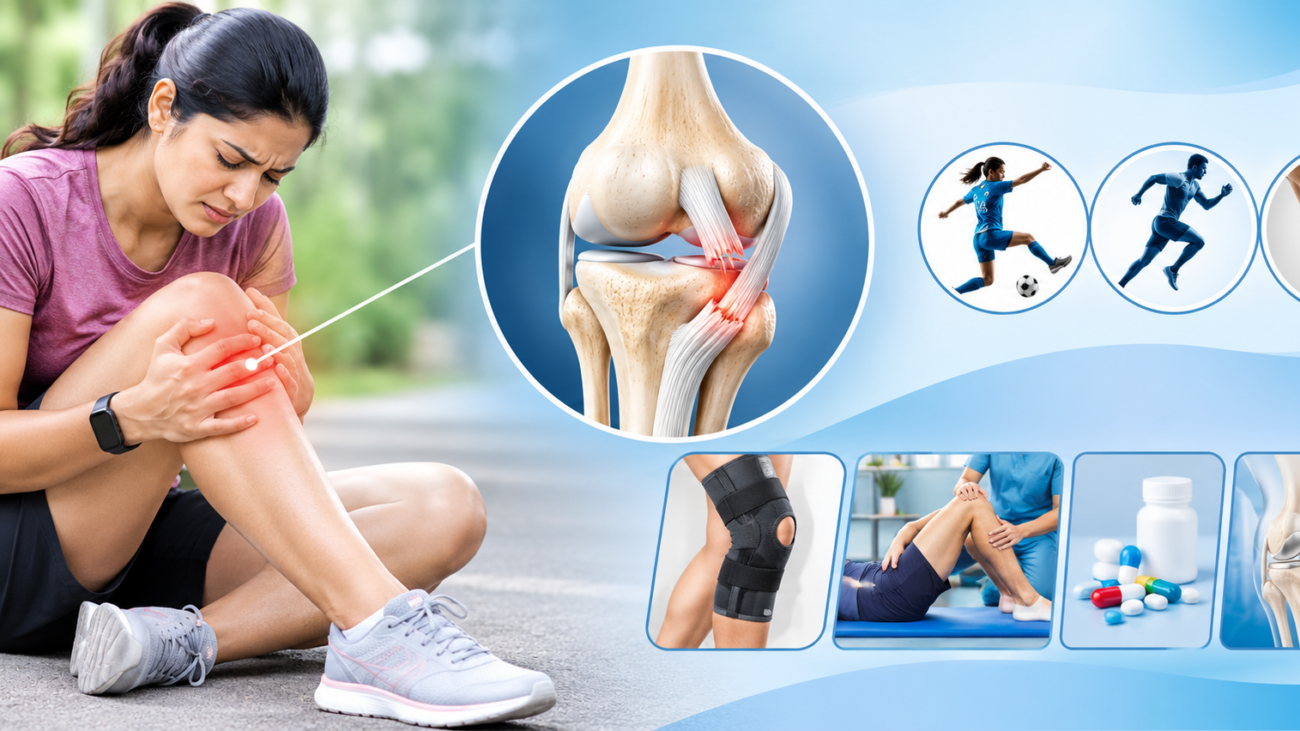
Knee Pain and Knee Ligament Injuries: Types, Symptoms and Treatment Options

Knee Ligament Injuries: Types, Symptoms and Treatment Options


The knee plays an important role in supporting body weight and allowing smooth movement during walking, running and other physical activities. However, sudden twisting movements, sports-related accidents or unexpected falls can damage the ligaments that keep the knee joint stable. Knee ligament injuries may cause pain, swelling and difficulty moving the leg, affecting everyday activities and physical performance. Recognising the warning signs and understanding the available treatment options can help individuals receive appropriate care and protect long-term knee function.

What Are Knee Ligament Injuries?

Knee ligament injuries occur when one or more of the strong bands of connective tissue that support the knee joint become stretched or torn. These ligaments connect the thigh bone (femur) to the shin bone (tibia) and help maintain stability during movement.

The severity of an injury can range from mild stretching to a complete ligament tear. Depending on the affected ligament and extent of damage, patients may experience pain, swelling, joint instability or difficulty putting weight on the affected leg. Early assessment by an orthopaedic specialist helps determine the extent of the injury and the appropriate treatment approach.

What Are the Different Types of Knee Ligament Injuries?

The knee contains four major ligaments that provide support and control joint movement. Injuries can affect any of these structures.

  • Anterior Cruciate Ligament (ACL) Injury: The ACL helps control forward movement and rotation of the knee. It is commonly injured during sudden direction changes, jumping or awkward landings.
  • Posterior Cruciate Ligament (PCL) Injury: The PCL prevents the shin bone from moving too far backwards. Damage may occur following a direct impact to the front of the knee.
  • Medial Collateral Ligament (MCL) Injury: The MCL provides stability to the inner side of the knee. It can be injured when an impact pushes the knee inward.
  • Lateral Collateral Ligament (LCL) Injury: The LCL supports the outer side of the knee and may be damaged by force applied to the inner side of the joint.

What Are the Common Symptoms of Knee Ligament Injuries?

Symptoms may vary depending on which ligament is affected and how severely it is damaged. Some injuries cause immediate discomfort, while others may become noticeable over time.

Common warning signs include:

  1. Sudden Knee Pain: Sharp discomfort may occur during an injury, particularly when the ligament is stretched or torn.
  2. Swelling Around the Joint: Inflammation may develop shortly after the injury, sometimes within a few hours.
  3. Popping Sensation: Some individuals experience or hear a popping sound at the time of an ACL injury.
  4. Knee Instability: The knee may feel weak or give way while standing, walking or changing direction.
  5. Restricted Movement: Pain and swelling can make bending or straightening the knee difficult.
  6. Difficulty Bearing Weight: Severe injuries may make it uncomfortable or difficult to stand or walk normally.

What Causes Knee Ligament Injuries?

Knee ligament damage commonly occurs due to sudden forces or movements that place excessive stress on the joint.

Some common causes include:

  • Sudden changes in direction while playing sports.
  • Landing incorrectly after jumping.
  • Direct impact or collision involving the knee.
  • Twisting the knee while the foot remains firmly on the ground.
  • Road accidents, falls or other traumatic injuries.

What Are the Treatment Options for Knee Ligament Injuries?

Knee ligament injury treatment depends on the affected ligament, severity of damage, activity level and overall health of the patient.

Common treatment approaches include:

  1. Rest and Activity Modification: Limiting activities that place pressure on the injured knee allows the tissues to recover.
  2. Ice Therapy and Compression: Applying ice and using suitable compression may help manage swelling and discomfort.
  3. Medications: Doctors may recommend appropriate medicines to relieve pain and inflammation.
  4. Physiotherapy: Guided exercises help restore knee movement, strengthen surrounding muscles and improve joint stability.
  5. Knee Bracing: A suitable knee brace may provide additional support and protect the joint during recovery.
  6. Surgical Treatment: Severe ligament tears, particularly certain ACL injuries, may require surgical reconstruction to restore knee stability. The decision depends on the patient’s condition and functional requirements.

Conclusion

Knee ligament injuries can affect joint stability, mobility and the ability to perform everyday activities. Identifying symptoms early and receiving an accurate diagnosis are important steps towards effective treatment. Depending on the extent of damage, a combination of rehabilitation, supportive care or surgical intervention may be recommended. Consulting an orthopaedic specialist can help patients understand their condition and choose an appropriate treatment plan to support recovery and long-term knee health.