
medical-illustration-of-osteopenia-showing-early-bone-loss-spine-health-and-bone-density-changes-in-an-older-woman

Osteopenia Explained: When Bone Loss Begins Before Osteoporosis

Osteoporosis is widely recognized as a major bone health concern, particularly among older adults, due to its impact on bone strength and fracture risk. However, fewer people have heard of osteopenia, the stage that often comes before osteoporosis develops. While osteopenia may sound less serious, it is actually an important early warning sign that your bones are beginning to lose strength.

Unlike osteoporosis, osteopenia serves as an early sign that your bones may need extra attention, giving you an opportunity to take proactive steps before significant bone loss occurs.

What Is Osteopenia?

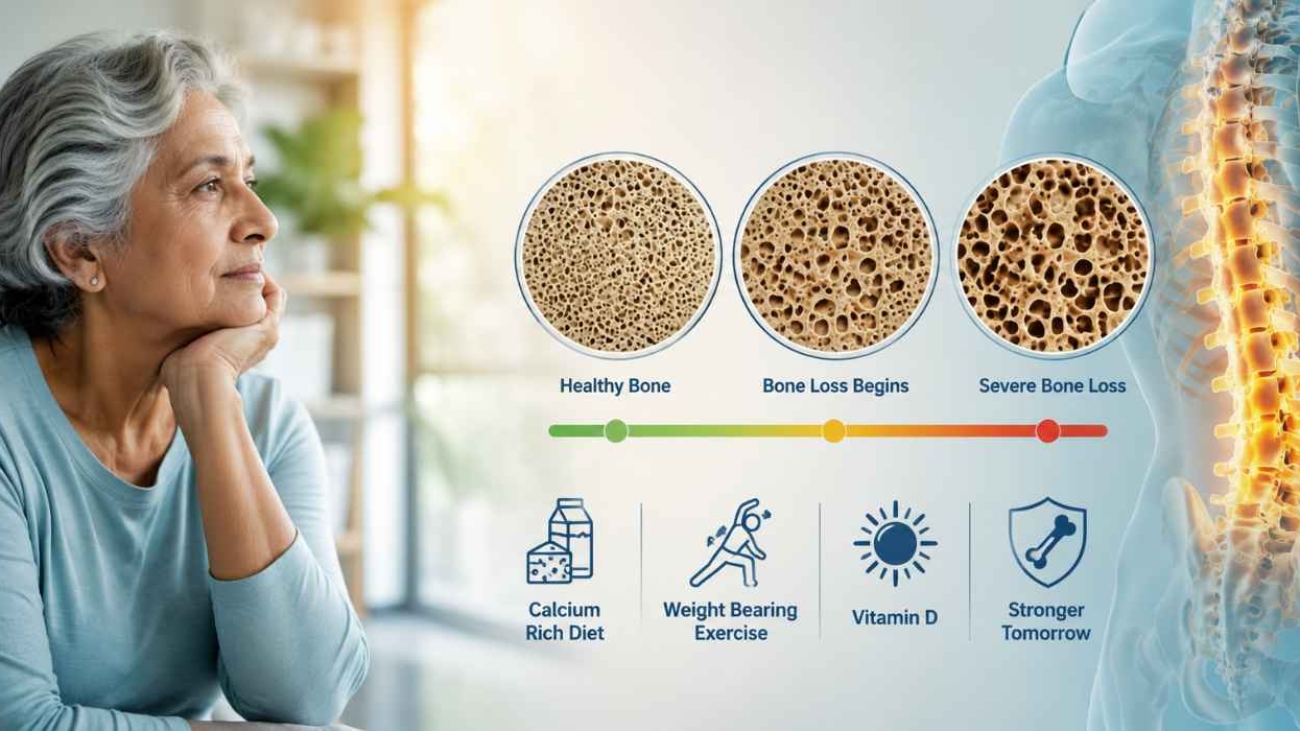
Osteopenia is a condition where bone density starts to decline, but the loss is not yet severe enough to be considered osteoporosis. Because this change develops gradually with aging and rarely causes noticeable symptoms until a bone density assessment is done.

Bone density is usually measured using a DEXA scan, a simple imaging test that evaluates bone strength. If the scan shows mild to moderate bone loss, osteopenia may be diagnosed.

Why Does Osteopenia Happen?

Bone is living tissue that constantly renews itself. Bone health depends on a continuous renewal process that keeps the skeleton strong and resilient. Over time, however, the pace of rebuilding may no longer keep up with natural bone loss, leading to a gradual decline in bone strength.

Several factors can contribute to osteopenia:

  • Aging
  • Hormonal changes, especially after menopause
  • Low calcium or vitamin D levels
  • Lack of physical activity
  • Smoking and excessive alcohol use
  • Family history of osteoporosis
  • Long-term steroid medication use

In many people, osteopenia develops silently without noticeable symptoms.

Are There Any Warning Signs?

Osteopenia itself usually does not cause pain or obvious symptoms. Most people discover it only after a routine bone density test or after experiencing a fracture from a minor fall.

However, some subtle signs may suggest weakening bones over time:

  • Gradual loss of height
  • Poor posture
  • Reduced strength and balance
  • Increased fracture risk

Because symptoms are often minimal, regular screening becomes important for people at higher risk.

Can Osteopenia Be Reversed or Managed?

In many cases, bone loss can be slowed significantly through lifestyle changes and early intervention. The focus is on preserving bone strength, slowing further bone loss, and supporting long-term skeletal health.

1. Focus on Bone-Healthy Nutrition

Calcium, vitamin D, protein, and magnesium all support bone strength. A balanced diet plays a major role in maintaining healthy bones.

2. Stay Physically Active

Weight-bearing exercises such as walking, stair climbing, resistance training, and yoga help stimulate bone-building activity.

3. Avoid Bone-Weakening Habits

Smoking and excessive alcohol intake can accelerate bone loss over time.

4. Get Regular Bone Health Evaluations

Bone density screening helps track changes early and allows timely management if needed.

Why Early Awareness Matters

Osteopenia may not sound alarming, but it is often the stage where the most meaningful preventive action can be taken. Addressing bone loss early can help reduce the risk of fractures, mobility issues, and osteoporosis later in life.

Osteopenia is not simply a normal part of aging that can be ignored. Rather it serves as an important indicator that your bone health deserves closer monitoring and proactive care. . With timely screening, healthy lifestyle habits, and proper guidance, it is possible to slow bone loss and maintain stronger bones for years to come.
older-man-with-osteoporosis-awareness-concept-showing-bone-density-loss-spinal-health-visualization-and-age-related-bone-weakening

Osteoporosis Isn’t Just a Women’s Disease: What Men Need to Know

When people hear the word osteoporosis, they often associate it with postmenopausal women. While women are certainly at higher risk, osteoporosis is far from being a “women-only” condition. In reality, millions of men worldwide are affected by low bone density, yet many remain undiagnosed until a fracture occurs.

Because osteoporosis in men receives less attention, awareness and early screening are often delayed. Understanding the risks, warning signs, and preventive steps can help men protect their bone health as they age.

Can Men Really Get Osteoporosis?

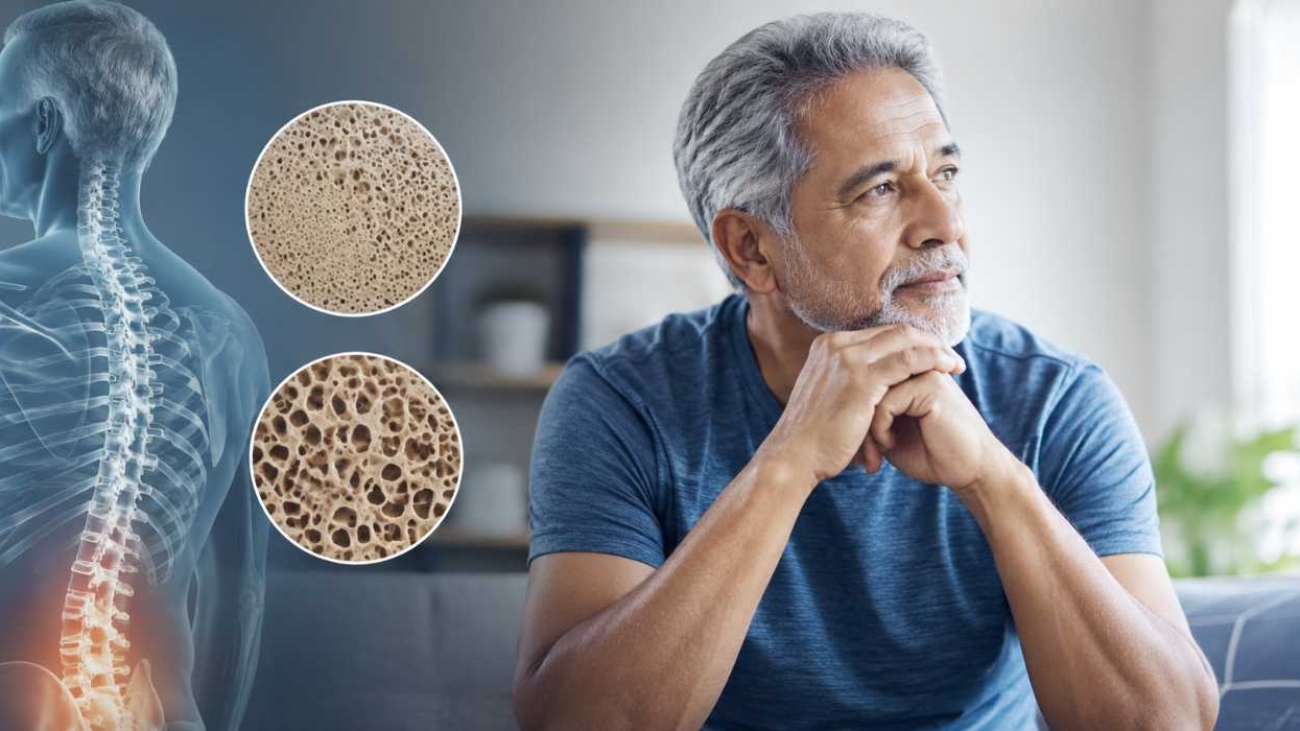
Yes, absolutely. Bones naturally lose density with age in both men and women. However, osteoporosis in men tends to progress more quietly and is often detected later.

Men generally begin adulthood with larger and denser bones than women, which offers some protection early in life. But after the age of 50, bone loss gradually accelerates, increasing the risk of fractures, spinal problems, and reduced mobility.

Hip fractures related to osteoporosis can be particularly serious in older men and may significantly affect  overall health.

What Causes Bone Loss in Men?

Several factors can contribute to weakening bones in men:

1. Age-Related Hormonal Changes

Testosterone plays an important role in maintaining bone strength. As testosterone levels gradually decline with age, bone density may begin to decrease as well.

2. Low Vitamin D and Calcium Intake

Poor nutrition, inadequate sunlight exposure, and low calcium intake can slowly weaken bones over time.

3. Sedentary Lifestyle

Bones stay stronger when they are regularly stressed through movement and muscle activity. Lack of physical activity can speed up bone loss.

4. Smoking and Excess Alcohol

Smoking interferes with bone-building cells, while excessive alcohol affects calcium absorption and bone formation.

5. Certain Medical Conditions and Medications

Conditions such as thyroid disorders, chronic kidney disease, and long-term steroid use can increase osteoporosis risk in men.

Early Signs Men Shouldn’t Ignore

Osteoporosis is often called a “silent disease” because symptoms may not appear until bone loss becomes significant. However, some warning signs include:

  • Persistent back pain
  • Gradual loss of height
  • Stooped posture
  • Fractures after minor falls or injuries
  • Reduced strength and balance

These signs should never be dismissed as “normal aging.”

How Men Can Protect Their Bone Health?

Bone loss can often be slowed or managed with lifestyle changes and early care.

Stay Active: Weight-bearing exercises such as walking, climbing stairs, resistance training, and jogging help stimulate bone strength.

Focus on Nutrition: Ensure adequate intake of:

  • Calcium
  • Vitamin D
  • Protein
  • Magnesium

A balanced diet supports both bone and muscle health.

Avoid Harmful Habits: Limiting alcohol and avoiding smoking can significantly reduce bone weakening over time.

Consider Bone Density Screening: Men over 50, especially those with risk factors, should speak with an orthopedic specialist about bone health evaluation and screening.

Osteoporosis in men is more common than many people realize, yet it often remains undetected until a fracture or serious mobility issue occurs. Bone loss may happen quietly, but its impact on strength, balance, and independence can be significant over time. The encouraging part is that early awareness, regular physical activity, proper nutrition, and timely screening can go a long way in protecting bone health. Understanding the risks and taking preventive steps early can make a significant difference in maintaining strength, independence, and quality of life in the years ahead.