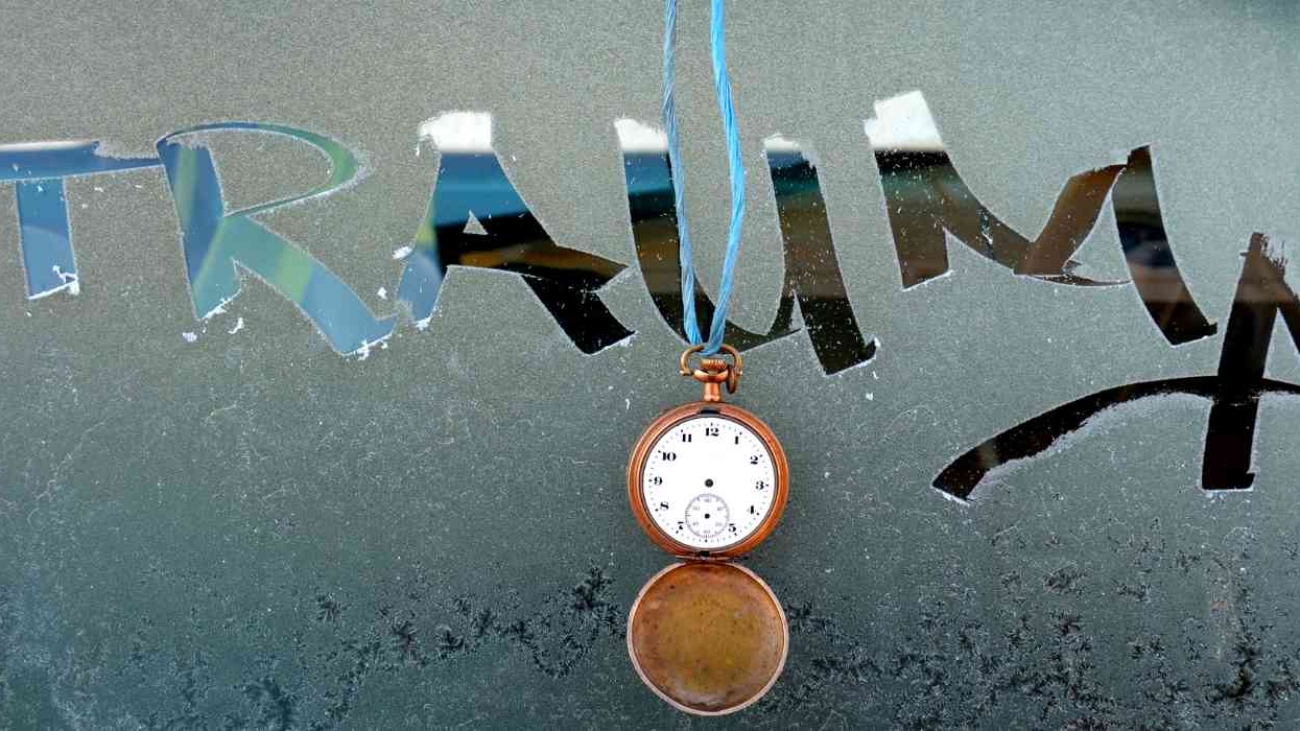

a-word-trauma-written-on-a-frosti-window-with-a-hand-clock-hanging

The Golden Hour: The Critical Importance of Timely Trauma Care

In the high-stakes world of emergency medicine, there is a principle that dictates the difference between life and death: The Golden Hour. This concept suggests that the first 60 minutes following a traumatic injury are the most critical for a patient’s survival. If a victim receives definitive medical care within this window, their chances of recovery increase exponentially.

But what exactly makes this hour so “golden,” and why is time such an important factor in trauma care?

What Is the Golden Hour?

The term was popularized by Dr. R. Adams Cowley, a pioneer in trauma medicine. He observed that there is a short window after a serious injury when prompt treatment can make the biggest difference. While it’s not always a strict 60-minute clock, the idea is simple:

👉 the sooner serious injuries are treated, the better the outcome.

That’s why trauma is often called a time-sensitive condition.

Why Every Minute Matters

After a major accident – like a road crash, fall, or sports injury – the body reacts quickly, and some dangerous problems can develop fast:

  • Internal Bleeding

This is one of the most serious risks after trauma. Because it’s often invisible, it can be missed – and delays in treatment can lead to shock.

  • Organ Protection

If the body isn’t getting enough oxygen and blood due to injury, organs like the brain and heart can be affected within minutes.

  • Early Stabilization

Emergency responders often follow the “Platinum Ten Minutes” approach – meaning they try to stabilize the patient and begin transport as quickly as possible so treatment at the hospital can start sooner.

What Should You Do in the Golden Hour?

If you ever encounter a trauma situation, here are key steps that can truly help save a life:

  • Call emergency services immediately.
  • Avoid moving the injured person unless there is danger (like fire or traffic), especially if neck or spine injury is suspected.
  • Control visible bleeding using clean cloth and steady pressure.
  • Keep the person calm and still.

Sometimes, these simple steps are enough to save a life until help arrives.

Why Trauma-Ready Hospitals Make a Difference

A specialized trauma-care hospital ensures access to:

  • 24/7 emergency specialists
  • Orthopedic trauma surgeons
  • Advanced imaging (CT/MRI)
  • ICU support
  • Operating theatre readiness
  • Blood bank services

This means assessment and treatment can begin immediately, instead of waiting for resources to be arranged.

Common Mistakes That Delay Care

Many people lose valuable time by:

  • Trying home remedies
  • Underestimating injury severity
  • Delaying transport
  • Consulting non-emergency facilities first
  • Attempting to move patients incorrectly

Remember – time lost is damage gained.

The Golden Hour is not just a medical theory – it is a lifesaving reality. When trauma strikes, the speed and quality of response can change the entire course of a patient’s life. Recognizing the signs of serious injury, acting quickly, and reaching a trauma-ready hospital can dramatically increase survival and recovery outcomes.

Early action saves lives – and sometimes, it saves the quality of life, too.

woman-walking-in-the-park-symbolizing-mobility-recovery-and-active-lifestyle

Life After Robotic Joint Replacement: What Patients Can Expect

If you’re considering robotic joint replacement – or you’ve already scheduled your surgery – one of the biggest questions you may have is: “What will life be like after the surgery?” The good news is that robotic-assisted technology has transformed joint replacement outcomes, helping many patients experience smoother recovery, better movement, and longer-lasting comfort. Understanding what to expect after surgery can help you feel confident and prepared for the journey ahead.

A Smoother Start to Recovery

One of the key advantages of robotic joint replacement is precision. The technology helps surgeons place the implant with millimeter-level accuracy while preserving surrounding tissues as much as possible. This often means:

✔ Less post-operative pain
✔ Reduced swelling
✔ Smaller incisions
✔ Shorter hospital stays

Many patients are encouraged to start moving the next day after surgery with the help of a physiotherapist. Early movement helps improve blood flow, prevent stiffness, and support faster healing.

Physical Therapy: Your Best Recovery Partner

Physiotherapy is essential after joint replacement – whether robotic or traditional. However, because robotic procedures tend to spare more soft tissue, therapy may feel easier and progress faster.

You can generally expect:

First few weeks: Taking the First Steps

Walking practice, gentle bending, and strengthening exercises.

4–8 weeks: The “Building” Phase

Improved strength and balance; daily activities like using stairs or driving become easier.

3–6 months: Get Back to the “Old You”

By this time, the “surgical” part of the journey feels like a distant memory. Most patients can return to full-time work (if it isn’t too physically demanding).

Consistency with exercises makes a big difference in results.

Long-Term: A New Lease on Life

The ultimate goal of robotic joint replacement is longevity. Because the implant is placed with such high accuracy, there is typically less “wear and tear” over time.

A More Natural-Feeling Joint

Many patients report that their joint feels more natural and stable after robotic-assisted replacement. This is because robotic systems allow surgeons to carefully balance the surrounding ligaments and align the implant specifically to your anatomy.

This often results in:

✔ Smoother walking
✔ Better joint stability
✔ Less stiffness
✔ Improved range of motion

Low-impact activities such as walking, cycling, yoga, or swimming are usually encouraged once your doctor approves.

Daily Life After Surgery

As recovery progresses, most people notice a dramatic reduction in arthritis or joint pain. Daily life often becomes easier – whether it’s walking farther, standing longer, sleeping better, or getting back to hobbies that were once painful.

High-impact sports are usually avoided, but an active lifestyle is absolutely encouraged.

Life after robotic joint replacement is often marked by renewed mobility, reduced pain, and greater stability. While recovery requires patience and dedication to physiotherapy, the precision of robotic technology helps create a joint that feels stable, comfortable, and supportive of your daily activities.

If joint pain is affecting your quality of life, robotic-assisted joint replacement may offer a modern, reliable path back to confident, pain-free movement.


woman-experiencing-back-pain-at-home

Bone Density After 40: What Really Happens and How to Slow the Decline

As we cross the threshold of 40, many aspects of our bodies subtly begin to change. One of the most critical, yet often overlooked shift that occurs within our skeletal system is the steady bone loss. Bone density naturally peaks in our late 20s, and from the age of 40, a gradual decline in bone density begins.

This isn’t just a natural part of aging; it’s a critical period where lifestyle choices can make a profound difference in protecting your long-term bone health. Ignoring this decline can put you at a higher risk for low bone mass (osteopenia) and eventually osteoporosis (porous bones), leading to increased fracture risk. Understanding what happens inside your bones at this stage — and how to slow this decline — can make a remarkable difference in long-term mobility, strength, and quality of life.

What Really Happens to Your Bones After 40?

Bone is living tissue and throughout life, our bones constantly undergoing a process called remodeling, where old bone is broken down (resorption) and new bone is formed.

Before 30: Bone formation outpaces bone resorption.

Around 30 (Peak Bone Mass): Formation and resorption are relatively balanced.

After 40: For most individuals, especially women post-menopause, bone resorption starts to outpace bone formation.

This imbalance gradually results in reduced bone density over time. Key factors driving this accelerated decline include:

Hormonal Changes: In women, the drop in estrogen during perimenopause and menopause is the single biggest factor for bone loss, as estrogen plays a vital role in strengthening bones. In men, a gradual decline in testosterone with age can impact bone strength. 

Decreased Physical Activity: A more sedentary lifestyle reduces the stress placed on bones, which is crucial for stimulating bone growth.

Nutritional Deficiencies: Insufficient intake of calcium, Vitamin D, and other bone-supporting nutrients hinders the body’s ability to maintain and repair bone.

How to Proactively Slow the Decline? 

You have a significant power to influence your bone health after 40. Early prevention and consistent effort are key:

👉🏻Prioritize Weight-Bearing & Resistance Exercise:

Weight-Bearing: Activities like brisk walking, jogging, hiking, and even yoga stimulate bone remodeling.. Aim for 30 minutes most days.

Resistance Training: Lifting weights or using resistance bands helps build muscle, and and when muscles pull against bones, they stimulate bone density. Focus on major muscle groups 2-3 times a week for best results.

👉🏻Optimize Your Nutrition:

Calcium: Ensure adequate intake (1000-1200 mg/day for adults over 40) through dairy, leafy greens, fortified foods, or supplements if necessary.

Vitamin D: Crucial for calcium absorption. Aim for 600-800 IU daily (or more if deficient) through sunlight (10-15 mins midday), fatty fish, or supplements.

Beyond C & D: Don’t forget Vitamin K (found in greens) and Magnesium (nuts, seeds, whole grains), which also play vital roles.

👉🏻Lifestyle Adjustments:

Quit Smoking: Smoking significantly contributes to bone loss.

Limit Alcohol: Excessive alcohol intake can impair calcium absorption and bone formation.

Prioritize regular health checkups: Talk to your ortho specialist about your bone health, early screening helps identify risk factors. Adults — especially women over 45 — are recommended to take a DEXA scan (bone density test) to establish a baseline.

Bone loss after 40 is a natural part of aging, but it doesn’t have to dictate your future mobility. With the right nutrition, lifestyle changes, and early screening, you can significantly slow the decline, maintain strong bones, and enjoy a health – active life.

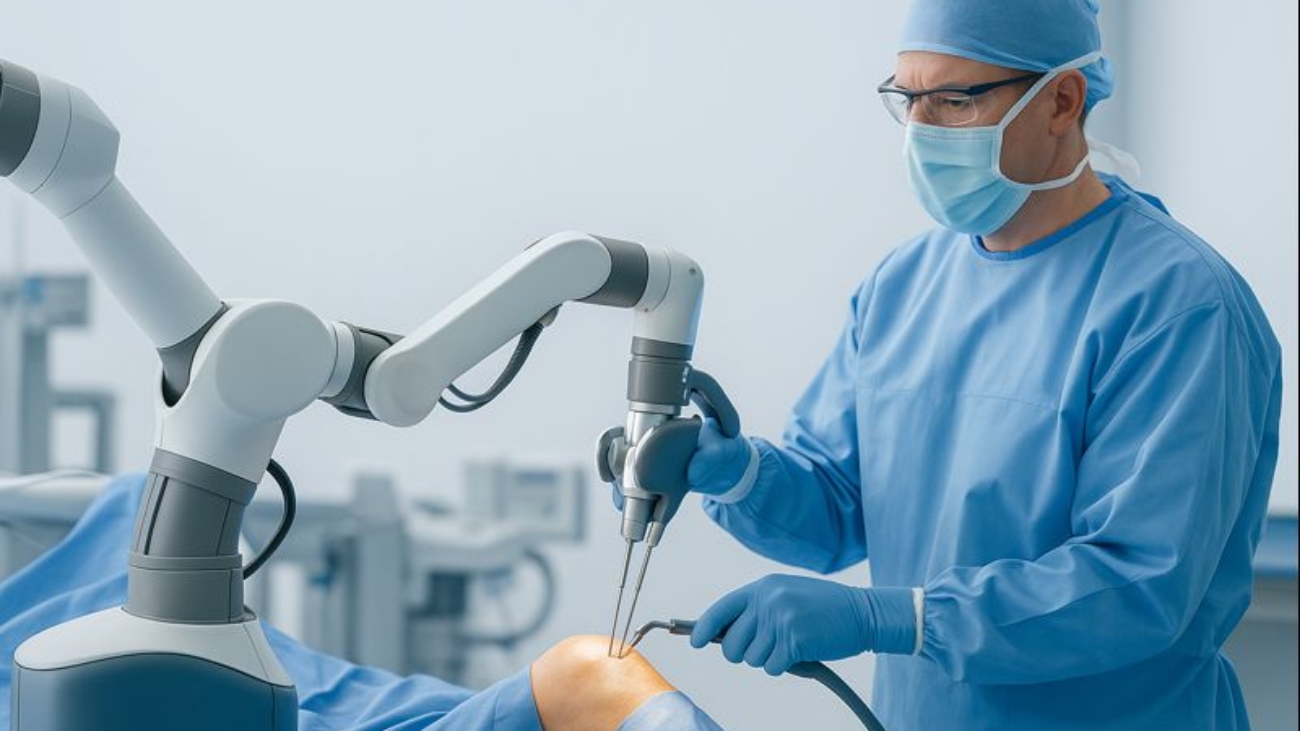
orthopedic-surgeon-performing-robotic-joint-knee-replacement-surgery

The Future of Knee Surgery: How Robotic Technology Delivers Better Precision & Recovery

      Knee replacement surgery has evolved tremendously, & robotic-assisted procedures are now one of the biggest advancements in orthopedics. Understanding how it differs from traditional knee replacement can help you make an informed decision. While both approaches aim to relieve pain and restore function, the experience and outcomes can differ significantly. The truth lies in understanding what robotic technology actually does, and how it can impact your long-term knee function.

Let’s break down the real benefits of robotic-assisted surgery over traditional methods.

The Core Benefit: Precision and Customization

Robotic-assisted knee replacement isn’t just about using a robotic machine. The real benefit lies in how precisely and personally the surgery is planned and performed. Here’s what makes it so effective and why many patients feel the difference:

  1. 3D Custom Planning: With robotic systems, surgeons use 3D imaging and computer-guided tools to plan and execute the procedure with millimeter-level accuracy. The robot does NOT replace the surgeon instead, it enhances precision, consistency, and control.
  2. Dynamic Alignment: During surgery, the robot’s guidance system allows the surgeon to dynamically balance the knee’s soft tissues (ligaments). Achieving optimal ligament tension is crucial for making the replacement feel natural and stable when moving.

Real Differences in Pain and Recovery

Many patients experience tangible benefits from this precision:

  • Reduced Soft Tissue Trauma: Robotic systems allow the surgeon to work through smaller, more accurate incisions, minimizing manipulation and damage to surrounding muscles and ligaments. This is a primary factor in less post-operative pain.
  • Faster Mobilization: Because the bone cuts are more precise and the soft tissues are handled gently, patients often experience a quicker recovery timeline, achieving functional milestones sooner and often requiring a shorter hospital stay.
  • A “More Natural” Feeling: Better alignment and soft-tissue balancing lead many patients to report that the robotic-assisted knee feels more comfortable and stable during activities like walking and climbing stairs.

👉What Patients Need to Know

Robotic-assisted surgery is an incredible advancement, but the most important factor is still the skill and experience. The robot doesn’t perform the surgery – the orthopedic surgeon does, using the technology to achieve the best possible accuracy. For many patients, the combination of greater precision, less tissue damage, and a smoother recovery makes robotic knee replacement an appealing choice.

Robotic-assisted knee replacement is reshaping the future of joint care by offering a level of precision and personalization that traditional methods cannot match. From more accurate planning to gentler surgical execution, this technology directly translates into less pain, faster mobility, and a knee that feels more stable and natural in everyday life. With rapid advancements in orthopedics, robotic surgery is emerging as a preferred path to long-term comfort, confidence, and active living.

sports-man-suffering-from-shoulder-pain

When Shoulder Pain Isn’t What You Think: Common Non-Rotator Cuff Causes

Pain above the shoulder blade? your first thought probably jumps to the rotator cuff. While it’s one of the most well-known causes, there are several other conditions that can cause similar discomfort – from neck-related nerve compression to joint inflammation. Identifying the real source of pain is key to getting lasting relief. 

If you’re struggling with chronic shoulder issues, it’s crucial to understand that the pain might be originating from structures around the shoulder, or even from entirely different parts of your body.

Here are four common causes of shoulder pain that have nothing to do with your rotator cuff:

1. Pain Originating from the Neck (Cervical Spine Issues)

Sometimes, shoulder pain isn’t coming from the shoulder at all – it’s referred from the neck. Conditions like cervical spondylosis, nerve compression, or a disc bulge can cause radiating pain down the shoulder or arm.

You may notice:

👉🏻Pain traveling from the neck to the arm

👉🏻Tingling or numbness in fingers

👉🏻Neck stiffness or limited range of motion

An orthopedic or spine evaluation can help pinpoint whether your pain is nerve-related rather than joint-related.

2. Shoulder Impingement or Bursitis

If raising your arm or reaching overhead triggers sharp pain, you might be dealing with shoulder impingement or bursitis. These occur when tendons or bursae become inflamed due to repetitive motion or poor posture.

Early relief strategies:

👉🏻 Rest and avoid overhead movements

👉🏻 Apply cold compresses

👉🏻 Gentle physiotherapy and posture correction

3. AC Joint Arthritis or Sprain

Pain on the top of your shoulder could stem from the acromioclavicular (AC) joint, which connects the collarbone to the shoulder. Overuse, heavy lifting, or minor trauma can cause inflammation or arthritis here.

This pain often worsens when carrying bags or sleeping on the affected side.

4. Referred Pain from Internal Organs

In rare cases, pain around the shoulder – particularly on the left side – may be referred from the heart, lungs, or diaphragm. If shoulder pain comes with chest tightness, breathlessness, or dizziness, seek immediate medical help.

When to See an Orthopedic Specialist

Consult an orthopedic doctor if:

👉🏻 Pain persists for more than two weeks

👉🏻 You have trouble lifting your arm or sleeping

👉🏻 There’s numbness, tingling, or weakness

At Surannavar Hospital, our specialists use advanced diagnostic tools and physiotherapy-guided care to accurately treat the root cause of your pain – not just the symptoms.

At-Home Relief Tips

✔️ Apply ice packs for 15-20 minutes a few times daily

✔️ Maintain good posture at your desk

✔️ Practice gentle shoulder and neck stretches

✔️ Avoid sudden, heavy lifting

If your shoulder pain persists despite rest, don’t self-diagnose based on the rotator cuff. A thorough examination by a physical therapist or orthopedic specialist is essential to pinpoint the true cause and start an effective, targeted treatment plan. An early diagnostic ensures faster, safer recovery.

a-lady-enjoying-morning-10am-sunlight

The Vitamin D Deficit: Why the 10 a.m. Sun is Your Bone’s Best Friend

Vitamin D is a quiet hero of human health, yet millions globally suffer from a Vitamin D deficiency. It’s not just a vitamin; it’s a pro-hormone crucial for dozens of bodily functions. Vitamin D – often called the “sunshine vitamin” – plays a vital role in maintaining strong bones, helping your body absorb calcium, and preventing long-term bone diseases. Yet today, vitamin D deficiency has quietly become one of the most common health problems, especially among urban adults who spend most of their time indoors.

Why Vitamin D Matters for Your Bones

Vitamin D is not just another supplement; it’s a bone protector. It helps your body absorb calcium and phosphorus – minerals that give your bones strength and structure. Without enough vitamin D, bones can become weak, soft, or brittle, and over time, this can lead to conditions like osteomalacia in adults or rickets in children, and increase the risk of osteoporosis, especially in women after menopause.

Research also shows that low vitamin D levels are linked to muscle weakness, joint pain, and increased risk of falls in older adults.

Why the 10 a.m. Sun is Ideal

You might wonder – isn’t all sunlight the same? Not quite. The 10 a.m. sun strikes the right balance – strong enough to stimulate vitamin D synthesis while gentle enough to protect your skin.

Here’s how it works:

Before 9 a.m., UVB rays are weaker, so your body produces less vitamin D.

Between 10 a.m. and 11 a.m., UVB rays are optimal for natural vitamin D synthesis.

After noon, sunlight becomes harsher, increasing the risk of sunburn and skin damage.

A simple daily exposure of 15–30 minutes, with your arms and legs uncovered, can make a big difference. Avoid applying sunscreen during this short window, as it blocks UVB rays required for vitamin D production.

How Much Vitamin D Do You Really Need?

Relying solely on the sun is unreliable due to skin tone, geographical location, and clothing habits. This is why a combined approach is often necessary.

Most adults need about 600–800 IU of vitamin D daily, but those with deficiency may need 1000–2000 IU. You can also boost your levels naturally through:

  • Fatty fish like salmon, tuna
  • Egg yolks
  • Fortified milk or cereals
  • Doctor-recommended vitamin D supplements

Always consult your healthcare provider to test your Vitamin D blood levels and determine the ideal supplementation dosage for strong, healthy bones.

The key to preventing the Vitamin D deficit is consistency. Don’t wait for warmer weather or a dedicated sun holiday; make that short, midday burst of sunlight a non-negotiable part of your daily routine. If you suspect your levels are low or you have underlying bone health concerns, the best approach is to get a simple blood test. Knowing your specific Vitamin D level allows your doctor to recommend the precise supplementation necessary to keep your bones dense, strong, and protected for years to come.

So, step outside, soak in that golden light, and give your bones the sunshine boost they deserve.

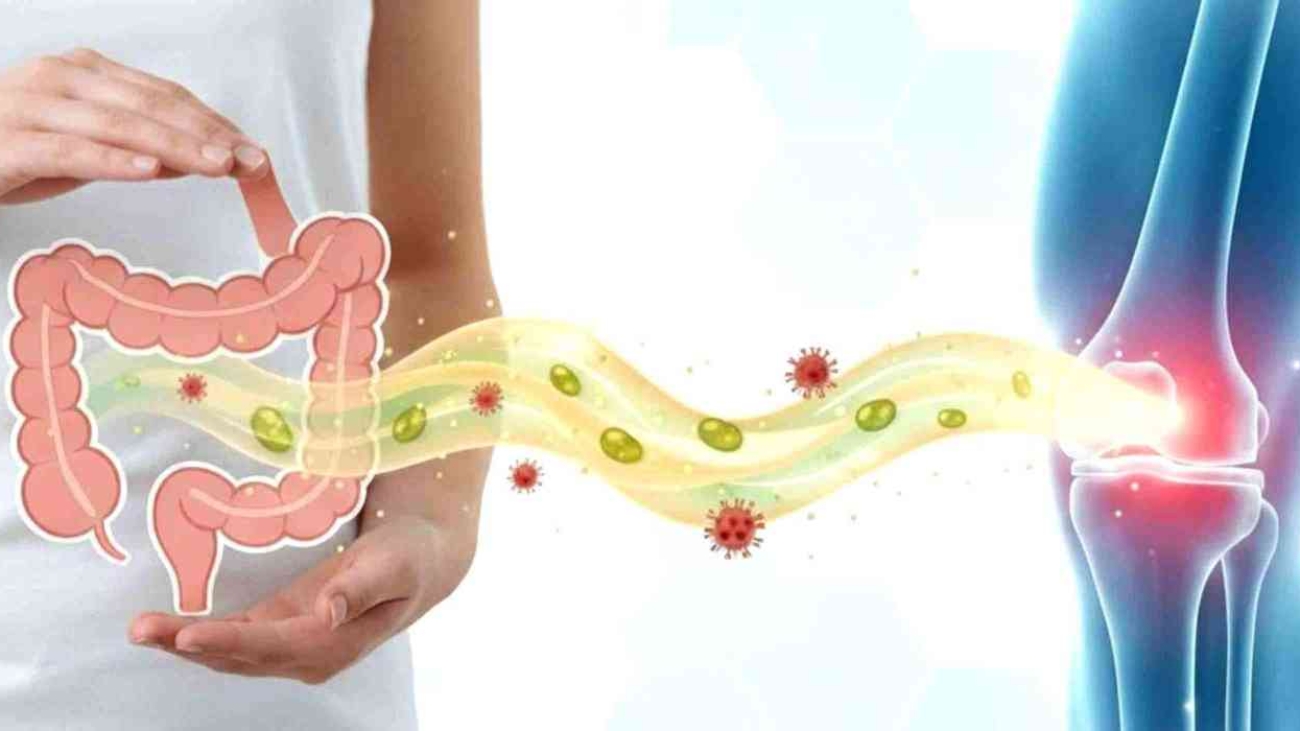
connection-between-the-digestive-system-and-a-healthy-joint

The Gut-Joint Connection: How Your Microbiome Influences Autoimmune Arthritis

Did you know that the health of your gut could be linked to your joint pain? In recent years, scientists have uncovered a surprising link between gut and joint health – a discovery that’s changing how we understand autoimmune arthritis, including rheumatoid arthritis (RA) and psoriatic arthritis (PsA). Far from being isolated conditions of the joints, these disorders may actually begin in the gut, where an imbalance in the microbiome – the community of trillions of bacteria, fungi, and microbes – can trigger chronic inflammation throughout the body.

The Gut as the Immune System’s Control Center

Nearly 70% of our immune system resides in the gut. A healthy microbiome helps regulate immune responses, distinguishing between what’s harmful and what’s not. However, when the balance of “good” and “bad” bacteria is disrupted – a condition known as dysbiosis – the immune system starts to overreact, leading to autoimmune reactions that attack the body’s own tissues.

In autoimmune arthritis, this misdirected immune activity causes inflammation in the joints, leading to pain, stiffness, and swelling. Some experts believe that a “leaky gut,” where tiny gaps form in the gut lining, allows harmful particles to enter the bloodstream and trigger inflammation in the joints.

How the Gut Microbiome Fuels Autoimmunity

For individuals genetically predisposed to autoimmune conditions like RA and PsA, this chronic inflammation and immune activation can be particularly problematic:

Immune System Overload : A constant barrage of “threats” from a leaky gut can put the immune system on high alert, causing it to become dysregulated and potentially start attacking healthy tissues, including the joints.

Molecular Mimicry : Some bacteria or their byproducts that leak from the gut might have molecular structures that resemble proteins in your joint tissues. This can trick the immune system into attacking your own joints, mistaking them for these bacterial invaders.

Altered Immune Cells : The gut is a major training ground for immune cells. An unhealthy microbiome can alter the development and function of these cells, priming them towards inflammatory or autoimmune responses.

Specific Bacterial Links : Research has identified specific bacterial species, such as Prevotella Copri in RA and certain changes in the gut flora in PsA, that are more prevalent or absent in patients with these conditions, suggesting a direct link.

Nurturing Your Gut for Joint Health

Understanding this gut-joint connection opens up new avenues for managing autoimmune arthritis. While not a cure, nurturing a healthy microbiome can be a powerful complementary strategy:

  • Dietary Changes: Embrace a whole-foods, anti-inflammatory diet rich in fiber, fruits, vegetables, and fermented foods (probiotics). Reduce processed foods, sugar, and unhealthy fats.
  • Probiotics and Prebiotics: Consider supplements or foods that introduce beneficial bacteria (probiotics) and feed existing good bacteria (prebiotics).
  • Stress Management: Chronic stress directly impacts gut health. Techniques like meditation, yoga, and deep breathing can help.
  • Avoid Unnecessary Antibiotics: Use antibiotics only when necessary, as they can significantly disrupt the microbiome.

The gut microbiome is a frontier in autoimmune research, offering promising insights into new ways to manage RA and PsA. By paying attention to your gut health, you might just find a powerful ally in your journey towards reducing inflammation and achieving better joint health. Your gut truly may hold the key to calmer joints and a stronger, healthier immune system. Consult our ortho specialist in Belagavi for a personalized management plan.

woman-suffering-from-knee-pain-due-to-obesity

Beyond the Load: How Obesity Causes Knee Pain Through Inflammation

Knee pain is often associated with aging or injury, but for many individuals, obesity is a major underlying factor. While it’s obvious that extra body weight increases the mechanical load on knee joints, the connection between obesity and knee pain goes beyond just pressure. Recent research shows that inflammation triggered by excess fat tissue plays a critical role in joint discomfort, degeneration, and long-term damage. Understanding this link is key to prevention and management.

The Mechanical Impact: Extra Weight on Your Knees

Carrying excess weight naturally increases the stress on weight-bearing joints. Every extra kilogram of body weight adds approximately 3–4 times that pressure on your knees when walking or climbing stairs. Over time, this constant load accelerates cartilage wear, making knees more susceptible to pain, stiffness, and osteoarthritis.

But the story doesn’t end with mechanical stress. Obesity affects knee health in ways that aren’t always visible.

Fat Tissue and Inflammation: The Hidden Culprit

Adipose (fat) tissue is not just a passive energy store – it’s an active endocrine organ that releases inflammatory molecules known as cytokines. These pro-inflammatory substances can:

▪️Increase inflammation in knee joints, worsening pain and swelling

▪️Accelerate cartilage breakdown, contributing to osteoarthritis

▪️Sensitize nerves, making the knee more reactive to pain signals

This inflammatory process explains why some individuals experience knee pain even if their knees aren’t visibly injured. In other words, obesity causes knee discomfort both mechanically and biologically.

Strategies to Protect Your Knees

👉 Focus on Weight Management

Losing even a small amount of weight can reduce mechanical stress and lower inflammation. Combining balanced nutrition with regular, low-impact exercise helps manage both weight and inflammatory markers.

👉 Engage in Joint-Friendly Exercise

Low-impact activities like swimming, cycling, or walking strengthen muscles around the knee without adding extra strain. Strengthening the quadriceps, hamstrings, and glutes provides natural support for the joint.

👉 Anti-Inflammatory Diet

Incorporate foods rich in omega-3 fatty acids, antioxidants, and fiber while limiting processed foods and sugars. This approach helps reduce systemic inflammation that affects knee health.

👉 Professional Support

Persistent knee pain should be evaluated by an orthopedic specialist. Early intervention, physiotherapy, and guidance on weight management can prevent long-term joint damage.

           Knee pain in obesity isn’t just about the extra load – it’s also about the invisible inflammation caused by fat tissue. By addressing both weight and inflammation through lifestyle changes, patients can reduce pain, protect their joints, and improve overall mobility. Understanding this mind-body connection is the first step toward healthier, pain-free knees.

orthopedic-surgeon-performing-robotic-joint-replacement-surgery

Why Robotic-Assisted Surgery is Redefining Modern Orthopedic Care?

Gone are the days when surgery meant large incisions, long hospital stays, and lengthy recoveries. Modern advances have changed expectations, making procedures less painful, less invasive, and far more effective. For years, minimally invasive surgery (MIS) has been a step forward, using smaller cuts and special instruments to reduce trauma compared to traditional open surgery. But now, technology has taken a giant leap with robotic-assisted surgery – an innovation that’s transforming outcomes, especially in orthopedic care.

The Next Step Beyond Minimally Invasive Surgery

Minimally invasive surgery made procedures more gentle on the body, but it still relied entirely on the surgeon’s hands and vision. While effective, there were limits to how precise implants could be placed or how much the surgeon could see inside the body.

This is where robotic-assisted surgery stands out. It combines the skill of a trained surgeon with the power of advanced robotics, offering accuracy and consistency.

How Robotic-Assisted Surgery Benefits Patients

For patients undergoing orthopedic procedures such as knee or hip replacement, advanced robotic surgery provide:

Unmatched precision Robotic technology creates a 3D model of your joint, allowing surgeons to plan and execute the procedure down to the millimeter.

Personalized care Every joint is unique. Robotic assistance ensures implants are aligned and fitted to your exact anatomy, which improves comfort and mobility.

Smaller incisions, faster healing – Like MIS, robotic surgery uses tiny cuts, but with greater accuracy, meaning less tissue damage and quicker recovery.

Better long-term results – Correct implant placement reduces wear and tear, increasing the lifespan of the replacement and lowering the chances of revision surgery.

More confidence for patients – Knowing your surgery involves both the expertise of your surgeon and the precision of robotics technology.

Robotic-assisted surgery isn’t just the future of orthopedics – it’s already here, delivering results that traditional and minimally invasive methods simply can’t match. With greater precision, faster recovery, and implants tailored to your unique anatomy, it offers a level of care designed to keep you moving confidently for years to come. If you’re considering joint replacement or another orthopedic procedure, choosing robotic-assisted surgery means choosing accuracy, safety, and long-term success. Talk to our orthopedic specialist to see how this cutting-edge approach can help you get back to a pain-free, active lifestyle.

adult-woman-suffering-from-severe-back-pain

The Invisible Load: How Stress and Mental Health Impact Chronic Back Pain

Back pain is one of the most common health complaints worldwide, but what many don’t realize is that the cause isn’t always physical. While poor posture, injuries, or degenerative changes can trigger discomfort, research shows that stress and mental health play a powerful role in both the onset and persistence of chronic back pain. Understanding this mind-body connection is key to effective management and long-term relief.

The Link Between Stress and Back Pain

When you’re stressed, your body releases stress hormones like cortisol and adrenaline. These trigger a “fight-or-flight” response, which can cause:

  • Tight muscles, particularly in the neck, shoulders, and lower back
  • Inflammation, making pain worse or harder to heal
  • Increased sensitivity to pain signals in the nervous system

Over time, this constant muscle tension and heightened pain perception can transform temporary discomfort into chronic back pain.

Mental Health and Chronic Pain: A Two-Way Street

Back pain doesn’t just result from stress – it can also contribute to mental health struggles. People with long-term pain are more likely to experience anxiety, depression, and sleep disturbances, creating a cycle that worsens both mental and physical health. This “pain-stress loop” is why addressing only the physical side of pain often falls short.

Breaking the Cycle: Strategies That Support Both Mind and Body

1. Practice Stress-Reduction Techniques

Relaxation methods such as deep breathing, meditation, and yoga can reduce muscle tension, lower cortisol levels, and calm the nervous system. Even 10 minutes a day can make a noticeable difference.

2. Exercise Mindfully

Gentle, low-impact activities like walking, swimming, or tai chi not only improve blood flow and strengthen muscles but also release endorphins, the body’s natural mood-boosting painkillers.

3. Cognitive-Behavioral Therapy (CBT)

CBT is a proven tool for people with chronic pain. It helps reframe negative thought patterns, improve coping skills, and reduce the perception of pain.

4. Improve Sleep Hygiene

Stress and back pain often disrupt sleep, which in turn worsens pain. Building habits like maintaining a regular sleep schedule, reducing screen time before bed, and creating a supportive sleep environment can help.

5. Seek Professional Support

If back pain and stress are interfering with daily life, it’s important to consult both an orthopedic specialist and a mental health professional. An integrated approach often provides the best results.

Chronic back pain isn’t just a physical condition-it’s deeply influenced by the mind-body connection. Stress, anxiety, and depression can intensify pain, while persistent discomfort can worsen mental health. By taking a holistic approach that addresses both body and mind, you can break the cycle and move toward long-term relief.