
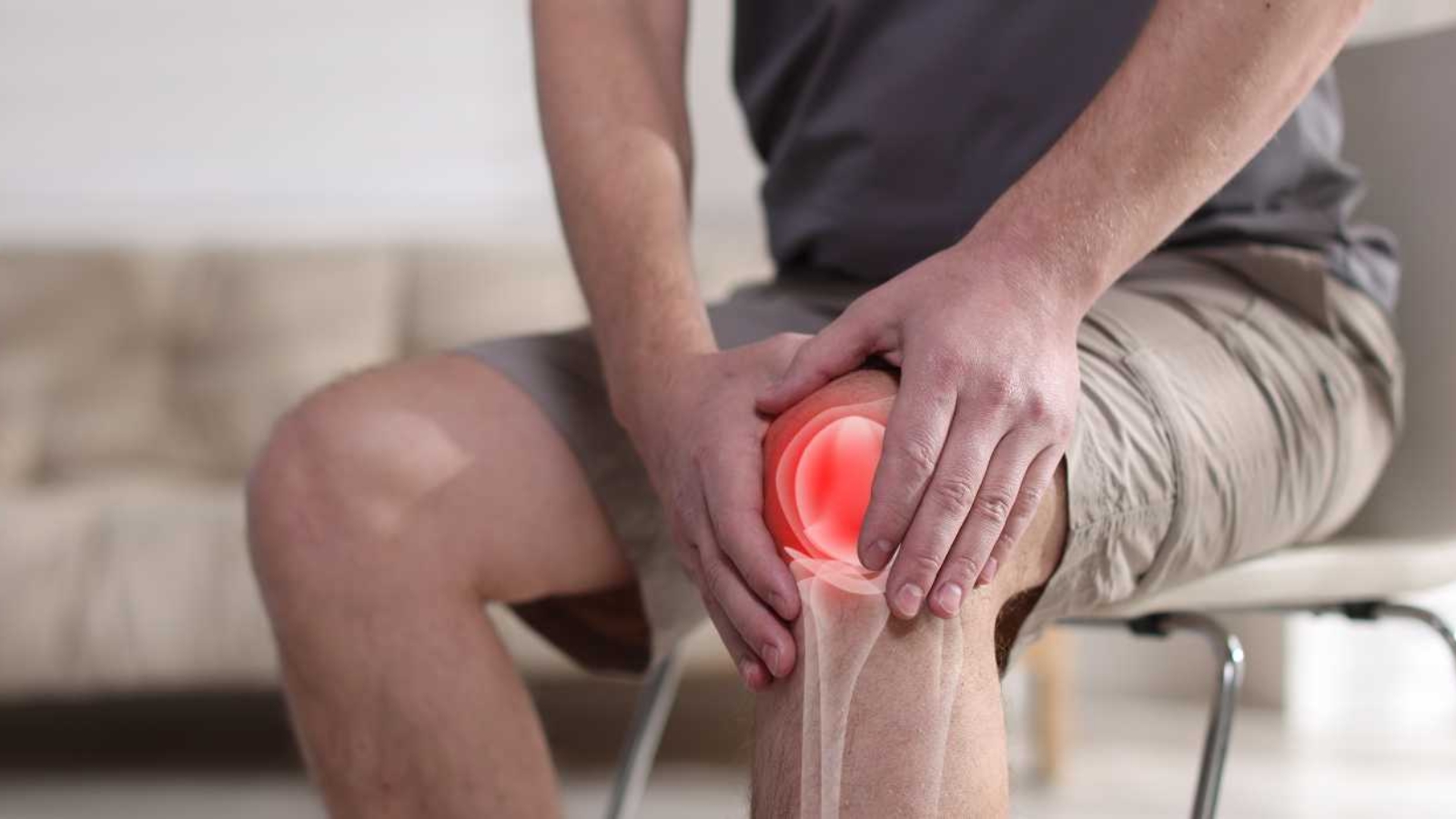
Bone health often doesn’t get much attention until a fracture or persistent ongoing pain becomes hard to ignore. The reality is that bones can gradually lose strength over time, without obvious symptoms in the early stages. This silent progression makes it important to pay attention to subtle changes your body may be signaling.
Recognizing the early warning signs can help you take timely action and protect your long-term mobility.
Why Bone Weakness Often Goes Unnoticed
Bones are living tissues that are constantly renewing themselves through a natural process where old bone is broken down and new bone is formed. With aging, this balance can shift, leading to a gradual decline in bone density. Conditions like osteopenia and osteoporosis often progress quietly during this phase, which is why they are called “silent diseases.” However, your body may still give subtle signals that shouldn’t be ignored.
Common Early Signs to Watch For
- Persistent Back or Joint Discomfort
Persistent back pain, especially in the lower spine, can sometimes be linked to weakened vertebrae. Small, unnoticed fractures in the spine may cause discomfort long before a major injury occurs.
- Gradual Loss of Height
Losing a small amount of height over the years may seem normal, but it can be a sign of spinal bone compression. This is often an early sign of reduced bone strength.
- Changes in Posture
A slightly stooped posture or rounded shoulders can develop as the bones in the spine weaken. This change usually happens gradually and can be easily to overlook.
- Fractures from Minor Injuries
A simple fall or minor bump leads to a fracture is a strong indicator of low bone density. Healthy bones are typically more resilient to such impacts.
- Weak Grip Strength
A noticeable decline in grip strength can sometimes reflect overall bone and muscle weakness. While subtle, it can be an early indicator worth paying attention to.
- Receding Gums
Bone loss is not just limited to the spine or hips. Issues such as receding gums or loose teeth may be linked to underlying bone weakening.
Who Should Be More Cautious?
Some individuals are at a higher risk of developing weak bones, including:
🔹Women after menopause
🔹Adults over the age of 50
🔹People with a sedentary lifestyle
🔹Individuals with poor calcium or vitamin D intake
🔹Smoking or excessive alcohol consumption
🔹Family history of osteoporosis
Being aware of these risk factors can help you stay proactive about your bone health.
What Preventive Measures You Can Take Early
The good news is that early bone loss can often be managed with simple lifestyle changes:
👉🏻 Include weight-bearing and strength exercises in your routine
👉🏻 Maintain adequate calcium and vitamin D levels
👉🏻 Spend time in sunlight for natural vitamin D
👉🏻 Avoid smoking and limit alcohol intake
👉🏻 Consider bone density screening if needed
These steps can help slow bone loss and improve overall bone strength.
If you notice early signs of bone weakness or risk factors, an orthopedic specialist can guide you with proper evaluation and preventive care.
Weak bones rarely cause noticeable symptoms in the early stages, but your body often gives small clues along the way. Paying attention to early signs and taking timely action can make a significant difference. Early action helps reduce the risk of serious complications and supports a more active, independent life in the years ahead.