
Joint replacement surgery is often life-changing, helping patients regain mobility and live free from chronic joint pain. Naturally, one of the most common questions patients have is how long the results will last and whether the new joint will continue to function well over time.
With advancements in medical technology, robotic-assisted joint replacement is bringing a new level of precision to these procedures. This has led to growing interest in how it can help improve long-term outcomes and reduce the chances of needing additional procedures in the future.
What Influences Long-Term Joint Replacement Success?
Modern joint replacement procedures are designed to be durable and reliable. In most cases, patients experience lasting relief and improved quality of life. However, how well a joint performs over time depends on a few important factors:
- Accurate placement of the implant
- Proper alignment of the joint
- Balance of surrounding ligaments and tissues
- Individual lifestyle and activity levels
Even small improvements in these areas can make a meaningful difference in comfort and movement over the years.
How Robotic-Assisted Surgery Enhances Accuracy
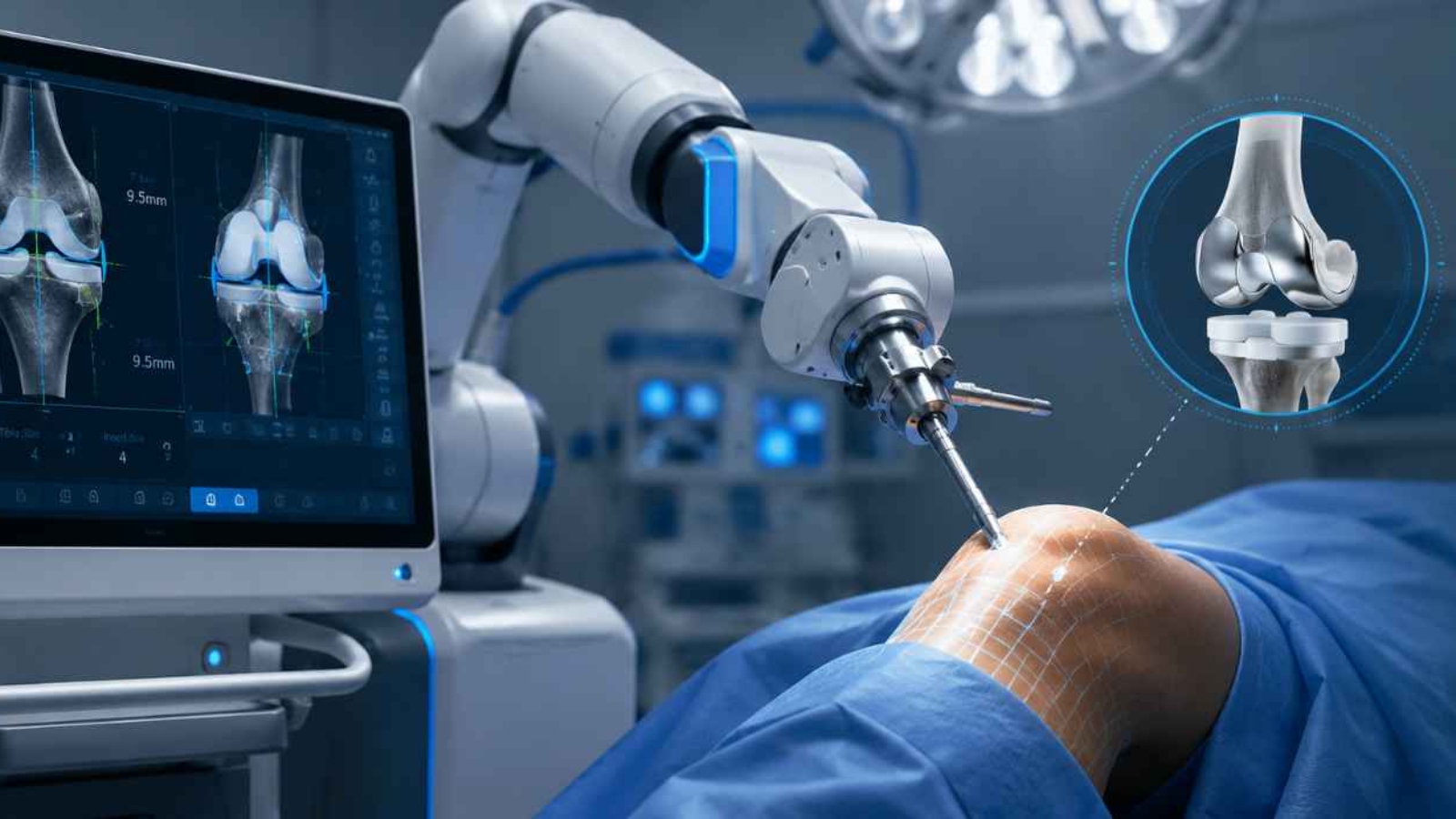
One of the key advantages of robotic-assisted surgery is the ability to plan and perform the procedure with a high degree of precision.
Before surgery, advanced imaging is used to create a detailed 3D model of the patient’s joint. This allows an orthopedic surgeon to plan the surgery based on the patient’s unique anatomy, ensuring the implant size, position, and alignment are carefully considered.
During surgery, the robotic system assists the surgeon in executing the plan accurately. This helps in:
- Achieving optimal alignment
- Preserving healthy bone and soft tissue
- Ensuring better balance within the joint
The result is a joint that is designed to feel stable and function smoothly in daily life.
Why Precision Matters Over Time
When a joint replacement is well-aligned and properly balanced, it tends to function more efficiently. This can lead to:
- More natural movement
- Reduced stress on the implant
- Improved comfort during daily activities
Over time, these factors can support the durability of the joint and contribute to sustained results.
A Smarter Approach to Joint Replacement
While joint replacement procedures already have a strong track record of success, advancements like robotic-assisted technology help refine the way surgeries are performed. By bringing greater precision and a more personalized approach, this technology supports better alignment and overall joint function. For patients, it adds an extra layer of confidence, knowing the procedure is tailored to their individual anatomy and focused on delivering lasting comfort and mobility.
Robotic-assisted joint replacement marks a significant step forward in orthopedic care, where every procedure is planned and performed with a focus on accuracy, balance, and long-term joint performance. These advancements are designed to support better joint function and long-term comfort.
At Surannavar Hospital, we are proud to be the first in North Karnataka to introduce robotic-assisted joint replacement technology, offering patients access to advanced surgical care closer to home. With a strong focus on precision-driven outcomes and patient-centered treatment, we are committed to helping individuals return to an active and confident lifestyle.
If you are considering joint replacement, understanding how these modern techniques can support long-term outcomes can help you make a confident and informed decision about your treatment.