
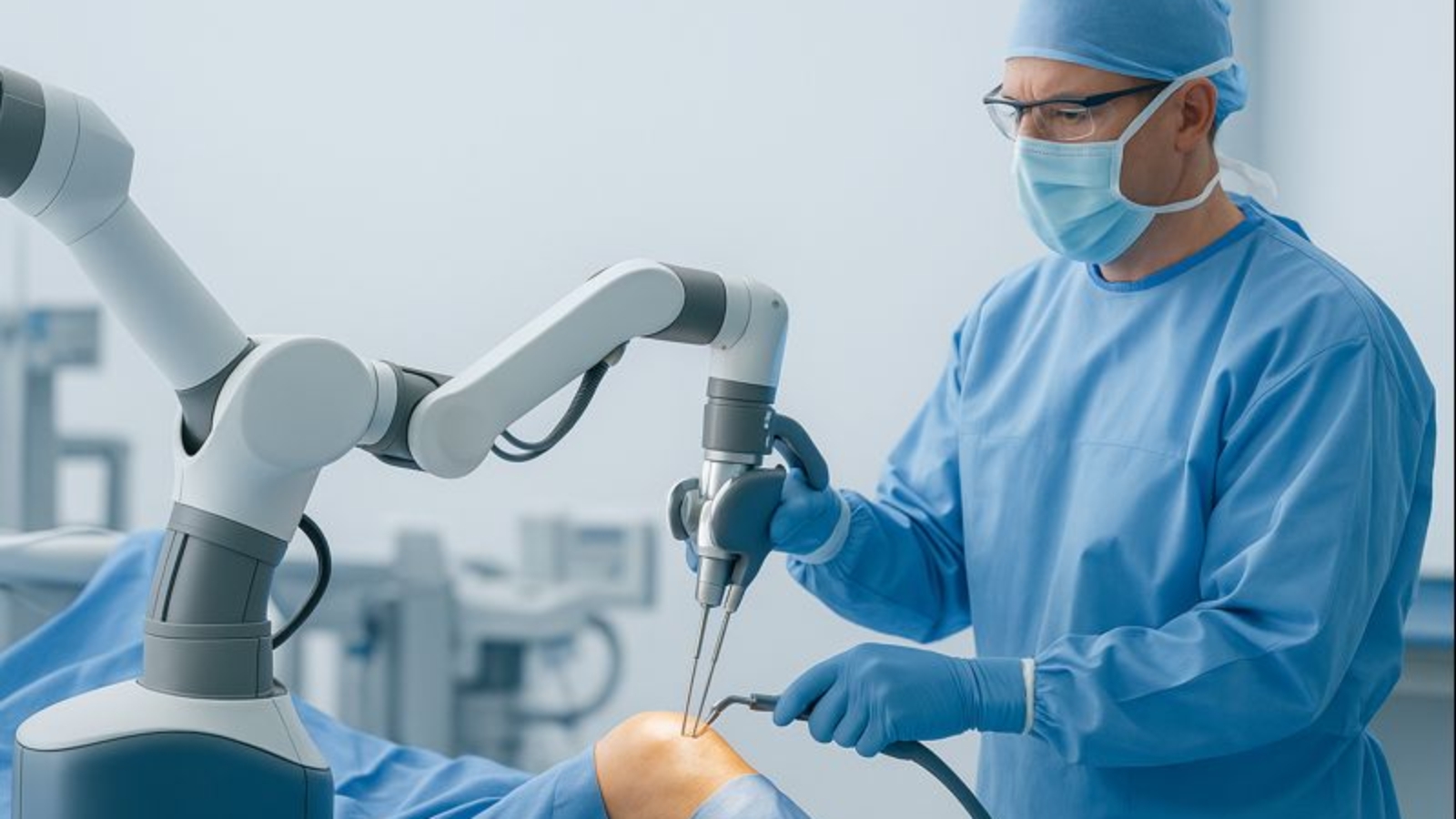
Knee replacement surgery has evolved tremendously, & robotic-assisted procedures are now one of the biggest advancements in orthopedics. Understanding how it differs from traditional knee replacement can help you make an informed decision. While both approaches aim to relieve pain and restore function, the experience and outcomes can differ significantly. The truth lies in understanding what robotic technology actually does, and how it can impact your long-term knee function.
Let’s break down the real benefits of robotic-assisted surgery over traditional methods.
The Core Benefit: Precision and Customization
Robotic-assisted knee replacement isn’t just about using a robotic machine. The real benefit lies in how precisely and personally the surgery is planned and performed. Here’s what makes it so effective and why many patients feel the difference:
- 3D Custom Planning: With robotic systems, surgeons use 3D imaging and computer-guided tools to plan and execute the procedure with millimeter-level accuracy. The robot does NOT replace the surgeon instead, it enhances precision, consistency, and control.
- Dynamic Alignment: During surgery, the robot’s guidance system allows the surgeon to dynamically balance the knee’s soft tissues (ligaments). Achieving optimal ligament tension is crucial for making the replacement feel natural and stable when moving.
Real Differences in Pain and Recovery
Many patients experience tangible benefits from this precision:
- Reduced Soft Tissue Trauma: Robotic systems allow the surgeon to work through smaller, more accurate incisions, minimizing manipulation and damage to surrounding muscles and ligaments. This is a primary factor in less post-operative pain.
- Faster Mobilization: Because the bone cuts are more precise and the soft tissues are handled gently, patients often experience a quicker recovery timeline, achieving functional milestones sooner and often requiring a shorter hospital stay.
- A “More Natural” Feeling: Better alignment and soft-tissue balancing lead many patients to report that the robotic-assisted knee feels more comfortable and stable during activities like walking and climbing stairs.
 What Patients Need to Know
Robotic-assisted surgery is an incredible advancement, but the most important factor is still the skill and experience. The robot doesn’t perform the surgery – the orthopedic surgeon does, using the technology to achieve the best possible accuracy. For many patients, the combination of greater precision, less tissue damage, and a smoother recovery makes robotic knee replacement an appealing choice.
Robotic-assisted knee replacement is reshaping the future of joint care by offering a level of precision and personalization that traditional methods cannot match. From more accurate planning to gentler surgical execution, this technology directly translates into less pain, faster mobility, and a knee that feels more stable and natural in everyday life. With rapid advancements in orthopedics, robotic surgery is emerging as a preferred path to long-term comfort, confidence, and active living.