
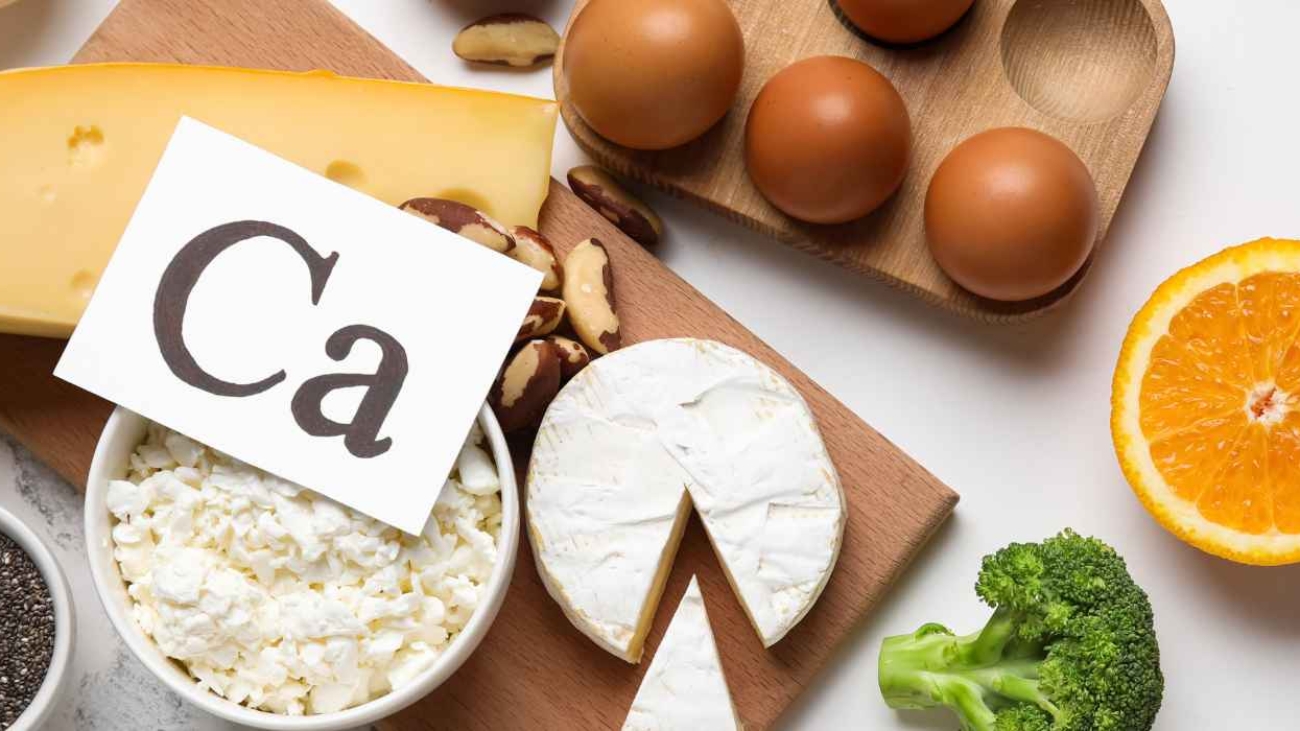
calcium-rich-foods-placed-on-a-marble-tile

Calcium Myths: How Much Do Your Bones Really Need?

We have been told since childhood: “Drink your milk for strong bones.” There is no denying that calcium is the crucial building block of our skeletal system. It is essential for preventing osteoporosis, aiding muscle function, and keeping our frames sturdy as we age.

However, decades of aggressive marketing and conflicting nutritional advice have clouded the truth about this vital mineral. Are you getting enough? Are you perhaps getting too much? Let’s separate fact from fiction and debunk the biggest calcium myths to discover what your bones really need.

Myth #1: The More Calcium, The Better

Many assume that if some calcium is good, heaps of it must be better. This is perhaps the most dangerous misconception in bone health nutrition.

Your body is an efficient machine, but it has limits on how much calcium it can absorb at one time—usually around 500mg per meal. Flooding your system with massive doses, particularly from high-potency supplements, does not build super-bones. Instead, excess calcium that the bones can’t use may lead to health issues, such as kidney stones or calcification in the arteries.

The Reality: For most adults aged 19-50, the Recommended Dietary Allowance (RDA) is 1,000 mg per day and 1,200 mg/day for women over 50 and men over 70 and for teenagers its 1300 mg per day due to rapid bone growth. Hitting the target is vital; drastically overshooting it is not helpful.

Myth #2: Dairy is the Only Reliable Source

While milk, yogurt, and cheese are certainly convenient and rich sources of calcium, they are far from the only game in town. This myth is often discouraging for vegans or those with lactose intolerance.

You can absolutely maintain strong bones on a dairy-free diet. In fact, the calcium absorption rate from some dark leafy greens is excellent.

The Reality: Diversify your plate. Great non-dairy sources include:

  • Leafy greens (kale, collard greens, bok choy).
  • Calcium-set tofu & soy products.
  • Fortified plant milks (almond, soy, or oat milk).
  • Almonds and sesame seeds

Myth #3: Calcium Acts Alone

You could eat calcium chalk all day, but your bones wouldn’t benefit without help. This is the crucial piece of the puzzle often missed: absorption.

Calcium needs a supporting partner and that’s Vitamin D to actually absorb it from the food. Without adequate Vitamin D levels, your body cannot effectively absorb the calcium you eat.  Other nutrients like magnesium help regulate calcium balance, while vitamin K assists in directing calcium into bones.

The Reality: Nutrition provides the building blocks, but you need the right environment to use them. Ensure you are getting Vitamin D through sunlight, fatty fish, or supplementation if necessary. Furthermore, weight-bearing exercise is essential to signal your bones to use that calcium to reinforce their structure.

👉🏽 So, what’s the Bottom Line?

Forget mega-dosing supplements. The truth about bone health is about balance and consistency. Aim to meet your daily requirement primarily through a varied diet, keep your Vitamin D levels up, and stay active. Your bones will thank you for it.
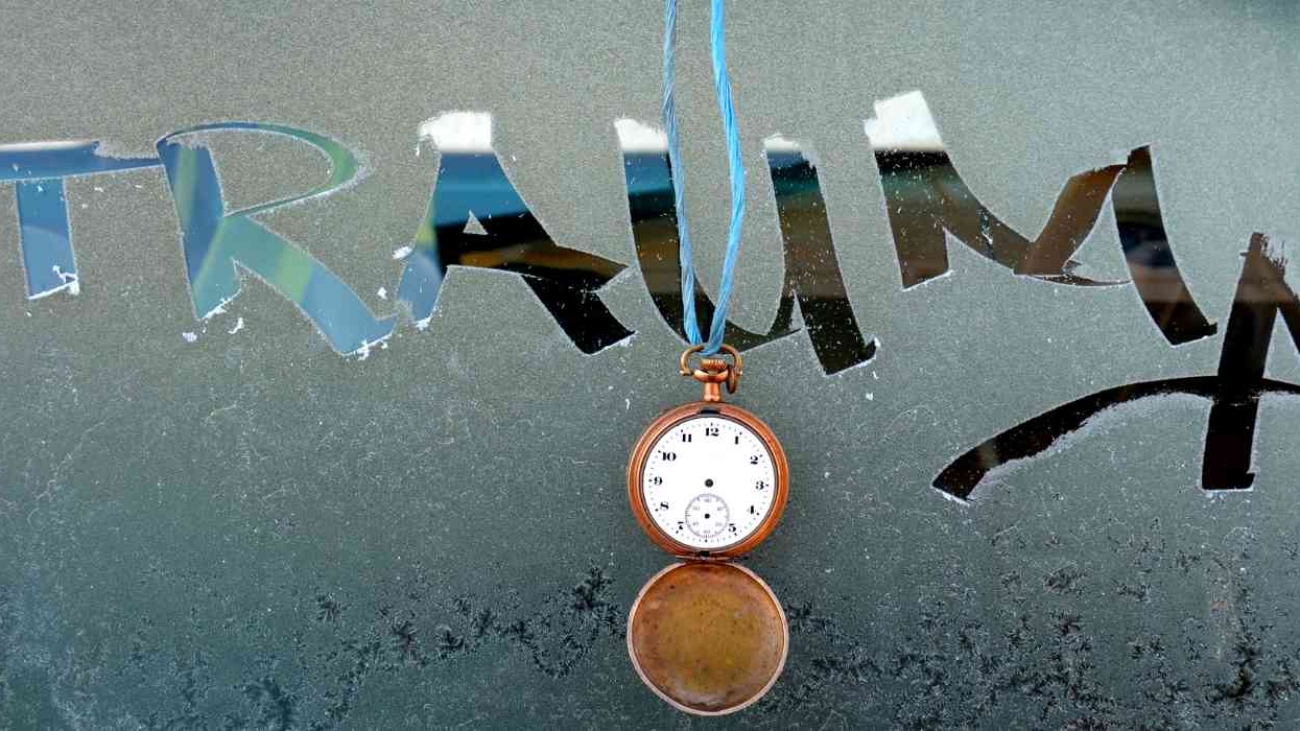
a-word-trauma-written-on-a-frosti-window-with-a-hand-clock-hanging

The Golden Hour: The Critical Importance of Timely Trauma Care

In the high-stakes world of emergency medicine, there is a principle that dictates the difference between life and death: The Golden Hour. This concept suggests that the first 60 minutes following a traumatic injury are the most critical for a patient’s survival. If a victim receives definitive medical care within this window, their chances of recovery increase exponentially.

But what exactly makes this hour so “golden,” and why is time such an important factor in trauma care?

What Is the Golden Hour?

The term was popularized by Dr. R. Adams Cowley, a pioneer in trauma medicine. He observed that there is a short window after a serious injury when prompt treatment can make the biggest difference. While it’s not always a strict 60-minute clock, the idea is simple:

👉 the sooner serious injuries are treated, the better the outcome.

That’s why trauma is often called a time-sensitive condition.

Why Every Minute Matters

After a major accident – like a road crash, fall, or sports injury – the body reacts quickly, and some dangerous problems can develop fast:

  • Internal Bleeding

This is one of the most serious risks after trauma. Because it’s often invisible, it can be missed – and delays in treatment can lead to shock.

  • Organ Protection

If the body isn’t getting enough oxygen and blood due to injury, organs like the brain and heart can be affected within minutes.

  • Early Stabilization

Emergency responders often follow the “Platinum Ten Minutes” approach – meaning they try to stabilize the patient and begin transport as quickly as possible so treatment at the hospital can start sooner.

What Should You Do in the Golden Hour?

If you ever encounter a trauma situation, here are key steps that can truly help save a life:

  • Call emergency services immediately.
  • Avoid moving the injured person unless there is danger (like fire or traffic), especially if neck or spine injury is suspected.
  • Control visible bleeding using clean cloth and steady pressure.
  • Keep the person calm and still.

Sometimes, these simple steps are enough to save a life until help arrives.

Why Trauma-Ready Hospitals Make a Difference

A specialized trauma-care hospital ensures access to:

  • 24/7 emergency specialists
  • Orthopedic trauma surgeons
  • Advanced imaging (CT/MRI)
  • ICU support
  • Operating theatre readiness
  • Blood bank services

This means assessment and treatment can begin immediately, instead of waiting for resources to be arranged.

Common Mistakes That Delay Care

Many people lose valuable time by:

  • Trying home remedies
  • Underestimating injury severity
  • Delaying transport
  • Consulting non-emergency facilities first
  • Attempting to move patients incorrectly

Remember – time lost is damage gained.

The Golden Hour is not just a medical theory – it is a lifesaving reality. When trauma strikes, the speed and quality of response can change the entire course of a patient’s life. Recognizing the signs of serious injury, acting quickly, and reaching a trauma-ready hospital can dramatically increase survival and recovery outcomes.

Early action saves lives – and sometimes, it saves the quality of life, too.